Jul 28, 2025
Are your songs ready to share with the world? Hit writers Marty Dodson and Clay Mills reveal 6 must-answer questions to improve clarity, emotion, and replay value. Learn how to write songs that truly connect!
Clay & Marty’s 10-day video series:
This video series will help you level-up your songs and finish them faster. CLICK HERE to begin!
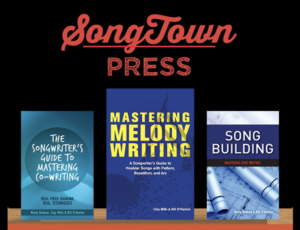
SongTown Press Books:
Mastering Melody Writing : Check It Out
The Songwriter’s Guide To Mastering Co-Writing : Check It Out
Song Building: Mastering Lyric Writing : Check It Out
Hosts:
Clay Mills : Facebook : Instagram
Marty Dodson : Facebook : Instagram
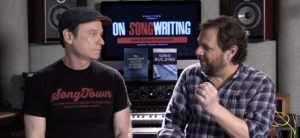
SongTown on Songwriting Podcast
Powered by Sweetwater.com – The best place for musical gear on the planet!

For advertising opportunities
Email [email protected]
Video Transcript: “If You Can’t Answer These 6 Questions, You Don’t Have a Song”
Marty Dodson:
Hey, SongTown. I’m Marty Dodson here with Clay Mills. Today we’re going to talk about, if you can’t answer these six questions, you don’t really have a song. Man, pretty profound, huh? Let’s dig in.
1. What Do You Want the Listener to Feel? (0:18)
Marty:
Number one: What do you want the listener to feel?
Clay Mills:
You mean you have to think about that?
Marty:
I don’t know if you have to think about it, but you have to accomplish it. If after you’ve written it, you can’t say that, then I think you’re in trouble.
Clay:
Yeah.
Marty:
I was listening to a song the other day, and the verse was dark and moody and sad, and then the chorus hit, and it was bouncy and happy. I was like, “What am I supposed to feel?” I’m not saying a song can’t start one way and go another, but that’s not what the lyric was about. At the end of the day, listeners have to know what you want them to feel. Am I supposed to be happy or sad? Just give me one emotion.
Clay:
Yeah, I don’t want to be confused, asking “How am I supposed to feel?”
Marty:
In my classes, I say generally you want one emotion unless the singer is confused. Most great songs focus on amplifying one clear emotion.
2. Does Your Song Have a Clearly Defined Melodic Hook? (2:01)
Clay:
Number two: Does your song have a clearly defined melodic hook?
Marty:
Yes, like they teach CPR to the song “Staying Alive,” because everyone knows, “Staying alive, staying alive…”
Clay:
Often, people think melody is just notes, but half the battle is rhythm. You could hum the rhythm without notes, and people recognize it instantly. Rhythm might be slightly more important, especially today. But personally, I like great rhythm, melody, and chords—all of it.
Marty:
A current song that does this well is “Pink Pony Club.” It’s catchy; you can’t get it out of your head.
3. Can the Audience Sing Your Song by the Second Chorus? (3:47)
Clay:
Number three: Imagine you’re at a concert hearing a song for the first time. By the second chorus, the audience should be able to sing along.
Marty:
Exactly. I stood side-stage once, watching a major artist perform my song. The audience had never heard it before, but by chorus two, they sang along. The melody and lyrics need repetition so people can engage.
Clay:
Absolutely. Like your song “Fire It Up”—people easily caught onto the chorus because it repeated a memorable phrase.
4. Will a Listener Know Why This Song Matters? (5:37)
Marty:
Number four: Will listeners know why the song matters? Sometimes I hear a well-crafted song but don’t know why it was written or who it’s for. Ask yourself, “Who will this matter to?”
Clay:
We used to call that the “give a crap factor.” It’s important to ask, “Will anyone care about this?”
Marty:
Exactly—does the song make listeners care?
5. What’s Going to Make People Hit Replay? (6:57)
Clay:
Number five: What’s going to make people hit replay? You don’t want listeners to say, “Oh, that’s cool,” and never listen again. Your song should offer something new each listen—emotion, rhythm, lyrics that resonate deeply.
Marty:
Exactly. It might move listeners emotionally, make them want to dance, or allow participation through sing-along sections. It could also be raw emotional honesty—songs that listeners turn to during tough times.
Clay:
That’s powerful—when listeners say your song helped them through life’s toughest moments, that’s special.
6. Can Someone Summarize Your Song in One or Two Sentences? (9:47)
Marty:
Number six: Can someone summarize your song in one or two sentences? If you ask someone, “What’s this song about?” they should clearly know.
In my book, “Song Building,” I call this “blueprinting.” I ask my wife what she thinks a song is about. If she gets it, I’ve done my job; if she’s confused, I revisit it.
Clay:
A great example is SongTown members Sarah Davis and Gail with the song “ABCDEFU.” Instantly, you know what that song’s about. Especially today, with all the messages bombarding listeners, clarity cuts through.
Marty:
Exactly. Abstract songs might have worked in the ’60s and ’70s, but clarity is essential today.
Wrap-Up & Closing Thoughts (11:38)
Marty:
So, ask yourself these six questions. If you can answer them clearly, you’re probably on the right track.
Clay:
Right on. Thanks for watching. If you appreciate the content, hit subscribe and help us grow. Shout out to Sweetwater Music, where Marty and I get all our gear. Great people. See you guys around town.
share





Write Better Songs Faster
Songwriting Success is Clay & Marty's 10-day video series that will help you level-up your songs and finish them faster. Enter your email address to get started!